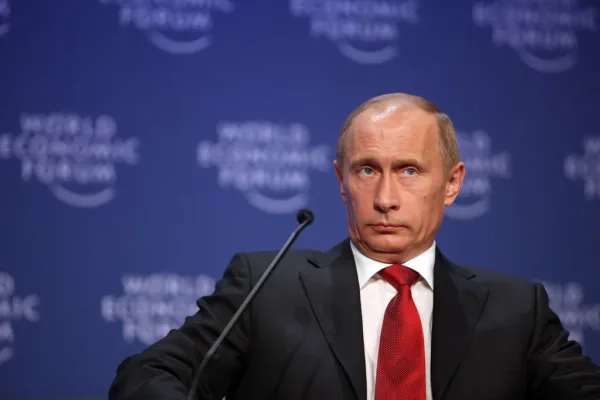
The recent summit between Donald Trump and Vladimir Putin on American soil, an event shrouded in controversy, raises serious concerns about the trajectory of U.S. foreign policy and the safeguarding of Ukraine’s sovereignty. This high-profile red carpet meeting, occurring on United States territory with a wanted war criminal who illegally invaded Ukraine, represents a troubling capitulation to aggressive Russian ambitions and undermines the principled stance the U.S. has historically taken against territorial conquest and authoritarian expansion.
Critically, the summit’s discussion of peace proposals—allegedly involving land transfers and security guarantees—appears to favor Russia’s strategic interests at Ukraine’s expense. The proposal in which Kyiv would withdraw from the eastern Donetsk and Luhansk regions, while Russia would retain control over Crimea and some of its gains in northern Ukraine, effectively rewards Russia’s violation of international law. Such concessions could set a dangerous precedent, signaling to autocrats and aggressors worldwide that territorial conquest can be rewarded through diplomatic negotiations rather than military resistance.
Furthermore, the summit’s location on American soil—an arena where an indicted war criminal and a leader accused of launching an unprovoked invasion—has troubling implications. It symbolizes a diplomatic embrace that appears to overlook the brutal realities of the invasion, including indiscriminate attacks, civilian casualties, and destabilization efforts in Ukraine. This posture not only emboldens Vladimir Putin but signals a failure to uphold international norms that condemn aggression and defend vulnerable nations.
The potential recognition of Russian sovereignty over Crimea, a territory illegally annexed in 2014, undermines established principles of sovereignty and territorial integrity. It signals a retreat from the firm stance that Russia’s annexation was illegitimate and should be reversed. Such recognition, even if only hinted at, could embolden future acts of aggression and further fragment international consensus against territorial conquest.
Additionally, the proposal to lift sanctions on Russia—particularly those aimed at curbing its military capabilities—undermines the collective effort to pressure Russia into ending its invasion. Sanctions are a critical tool; easing them prematurely risks legitimizing Russia’s aggression and resuming a status quo that incentivizes further hostilities.
By discussing Ukraine’s NATO accession and security guarantees, the summit further exposes the diplomatic ambiguity that could weaken Ukraine’s defenses. While a guarantee akin to NATO’s Article 5 might offer some reassurance, the ambiguity surrounding its scope and enforceability leaves Ukraine vulnerable. The suggestion that Ukraine might be barred from NATO, coupled with vague security assurances, could be interpreted as a diplomatic signal that the U.S. and allies are prepared to accept a compromised Ukraine—a stance that directly contradicts the country’s strategic ambitions and its right to self-defense.
Most disturbingly, this summit exemplifies a diplomatic approach that seemingly rewards aggression and neglects the rights of a sovereign nation under siege. It appears to prioritize strategic negotiations with a dictator over unwavering support for Ukraine’s territorial integrity and sovereignty. As the global community watches, the optics of such engagement risk undermining the moral authority and credibility of the United States, especially when conducted on its own soil with a figure who epitomizes destabilization and violations of international law.
In conclusion, the summit’s conduct and the proposals under discussion are emblematic of a troubling shift toward appeasement at a moment when steadfast resistance and diplomatic clarity are required. The international community must remain vigilant against efforts that undermine Ukraine’s sovereignty and the rules-based order that protects nations from unprovoked aggression. The United States’ role should be unequivocal: standing firmly against territorial conquest, upholding international law, and ensuring that diplomacy does not serve as a façade for capitulation to tyranny.
Share this:

Discover more from The Progressive Lens
Subscribe to get the latest posts sent to your email.




2 thoughts on “Alaska Summit: Putin’s Wish List to End the War in Ukraine”
Comments are closed.