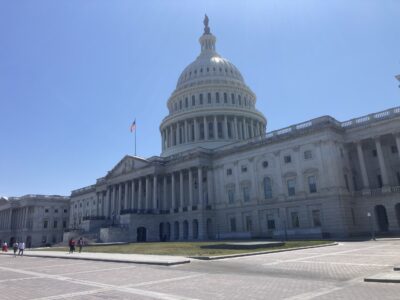
The Myth of “Federalizing” Washington, D.C.: A Dangerous Power Grab
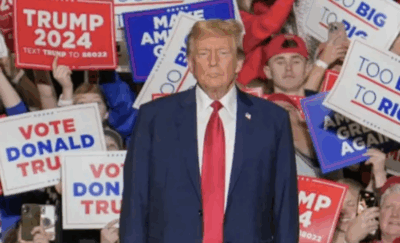
In recent days, Donald Trump has once again attempted to manipulate chaos to serve his political and personal agendas. First, he threatened to “federalize” Washington, D.C., and now he’s launching a seven-day crackdown, deploying federal law enforcement in the nation’s capital under the guise of fighting violent crime. But this attempt to escalate federal authority raises serious questions about constitutional limits, democratic accountability, and the integrity of our city’s governance.
The Reality: Federal Power Is Limited
Let’s be clear: Washington, D.C., is not just another city. It is a federal district—created by the Constitution itself—and its unique status comes with specific restrictions on federal intervention. Article I, Section 8 of the U.S. Constitution grants Congress, not the President, the authority over the District. While Congress has the power to govern D.C., it also established local self-rule through the District of Columbia Home Rule Act of 1973, which gives elected local officials control over day-to-day policing, sanitation, and other municipal affairs.
Federalizing D.C.—meaning, taking control away from local elected officials—requires more than just a presidential declaration. Usually, it involves legislation passed by Congress and signed into law, with substantial debate and oversight. The President does not have unilateral authority to simply federalize a city, especially not in response to a spike in crime, which, notably, is currently at a 30-year low.
What’s Really Happening?
Trump’s claim to “federalize” the city is not just legally dubious; it’s politically motivated. He’s deploying federal officers in a way that blurs the line between local law enforcement and federal agencies, targeting a city that, according to data, is safer now than in decades. His narrative—fueled by exaggerated crime statistics—is meant to stoke fear and justify his broader demands for control.
While the operation involves federal agencies working alongside local police, their limited presence the first night suggests this is more show than substance. Moreover, the concerns voiced by groups like the Washington Legal Clinic highlight a critical danger: potential overreach, including rounding up homeless people, civil commitments, or arrests in a city already strained for shelter space.
The Limits of Executive Power
Constitutionally, the President’s power is to enforce laws—not to unilaterally seize control of cities. Such actions require coordination with Congress or specific legal procedures, not just tweets and executive orders. The notion that the President can bypass local governance and impose federal law enforcement en masse is a dangerous erosion of our federalist principles.
Furthermore, this overreach threatens the democratic will. Local elected officials, who understand their communities’ nuanced needs, are being sidelined in favor of a top-down approach rooted in fearmongering and executive bravado.
Why It Matters
Beyond the immediate questions of legality, Trump’s actions underscore the broader danger of consolidating executive power and undermining local autonomy. They threaten to set a precedent where presidents could federalize cities on a whim, especially when their political opponents hold local offices.
It’s a reminder that safeguarding democracy requires vigilance—not blindly accepting executive overreach. Citizens must demand that our laws and constitutional boundaries be respected, especially when a president’s motives are questionable and the data do not support such drastic measures.
Moving Forward: Defending Our Democratic Principles
As progressives and defenders of local governance, we must stand firm against attempts to undermine the fundamental structure of our federal republic. Criminal justice reform, community-based initiatives, and proper enforcement are crucial—but they must be guided by laws, data, and respect for local authority, not executive threats and politicized crackdowns.
D.C. is a symbol of democratic aspirations—a city whose residents deserve self-governance, not federal overreach driven by fear and misinformation. The true solution to urban safety lies in investment, community empowerment, and accountability—not in dubious claims of emergency that justify an erosion of constitutional boundaries.
In the fight for democracy, truth and legality matter. Let’s hold our leaders accountable and defend the principles that keep our union strong.
Share this:

Discover more from The Progressive Lens
Subscribe to get the latest posts sent to your email.



2 thoughts on “Trump’s False ‘Federalization’ of Washington, D.C.: A Threat to Democracy and Local Autonomy”
Comments are closed.