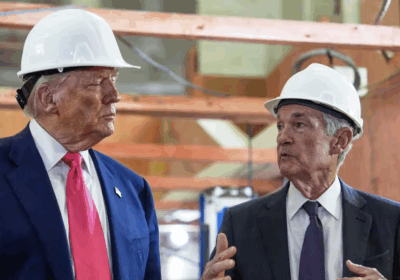
In a surprising and pointed exchange during a recent tour of the Federal Reserve headquarters, President Trump confronted Fed Chair Jerome Powell over the cost of a longstanding renovation project, falsely claiming that the expenses had “ballooned” to $3.1 billion. What this moment reveals about the intersection of politics, independence, and separation of powers is both troubling and emblematic of the ongoing challenges facing the Federal Reserve in the age of Trump 2.0.
First, let’s fact-check the core claim made by President Trump. The president suggested that the renovation costs have surged to $3.1 billion — a figure he appeared to link directly to mismanagement. However, Fed officials quickly clarified that the additional costs were related to a different, older project from five years ago, not the current renovation. The current project’s expenses, according to Fed staff, are largely driven by tariffs, rising material costs, and labor expenses — factors beyond the Fed’s control but also indicative of the larger economic environment shaped by federal policies, trade tensions, and inflation.
This fact-check underscores a broader concern: presidential interference based on misinformation or misperception. Trump’s attempt to link the costs directly to the Fed’s management fuels distrust and politicizes an institution that is fundamentally designed to be independent. Fed independence isn’t just a tradition; it’s a cornerstone of our economic stability, ensuring that monetary policy decisions about interest rates and inflation are free from partisan pressures. When the President proposed firing the project manager or questioned the transparency of the costs, it risked undermining the Fed’s autonomy and credibility.
Moreover, the visit itself — with a President questioning a central bank’s management in real time and publicly — is highly unusual and potentially dangerous. Presidents rarely visit the Fed in any official capacity for this reason. Their interference can threaten the independence that’s crucial to maintaining inflation control, unemployment levels, and overall economic health.
The fact that President Trump used this visit to escalate his criticism of Powell and to demand a rate cut—while also signaling he does not intend to dismiss him—exposes the tension between political motives and responsible economic governance. Central banks in democratic societies must operate without undue influence, especially from elected officials seeking short-term political gains. The Fed’s mission to maintain price stability and financial stability demands insulated decision-making, not political grandstanding.
In this political moment, it’s essential to recognize that the real winners are not the policymakers, but the forces that seek to undermine confidence in independent institutions. As progressives and advocates for a resilient economy, we should stand firmly for the Fed’s independence, defend its critical role in managing economic stability, and push back against attempts to politicize its functions.
A healthy democracy depends on independent institutions that act based on expertise, not electoral pressures. Let’s ensure we support policies and leadership that respect this vital separation, safeguarding our economy from the whims of partisan politics and ensuring a stable and equitable future for all Americans.
Share this:

Discover more from The Progressive Lens
Subscribe to get the latest posts sent to your email.