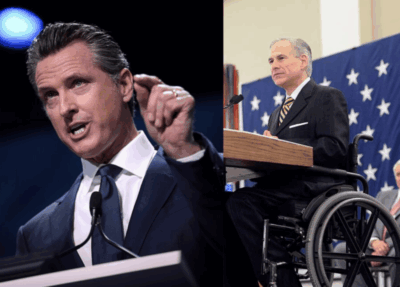
In a bold display of regional power and political defiance, California and Texas are locking horns over the contentious issue of congressional redistricting, revealing deeper divides in the American political landscape. Governor Gavin Newsom’s recent announcement signals California’s readiness to respond assertively if Texas succeeds in redrawing its districts to favor Republicans in the 2026 midterms — a move that raises critical questions about democracy, power, and the future of fair representation.

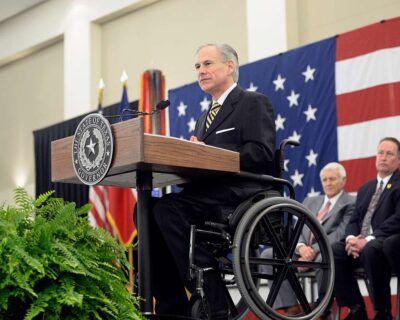
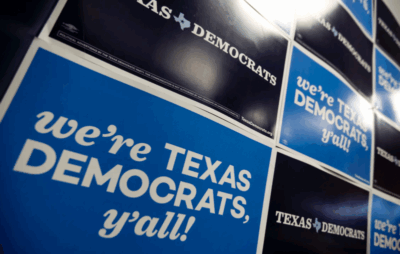
Texas Republicans, under the guidance of Governor Greg Abbott and President Donald Trump, have launched a legislative effort to redraw congressional boundaries, aiming to secure five additional GOP seats. Faced with a potential redistricting that critics argue could entrench partisan advantage, Texas Democrats have responded with a dramatic act of protest: fleeing the state to deny quorum and halt the process. Despite their efforts, focus now shifts to whether these maneuvers will succeed, with Abbott signaling ongoing legislative sessions until they do.
Meanwhile, California, the nation’s most populous state and economic powerhouse, is preparing to fight fire with fire. Governor Newsom has explicitly stated that if Texas redistricts successfully, California will consider its own redistricting changes, possibly through a special election and new maps for the upcoming election cycle. The goal? To ensure that partisan gerrymandering doesn’t go unchecked and that Californian voters retain the power to shape their political future.
This escalating confrontation underscores a larger crisis: the risk of national polarization exacerbated by political manipulation of district lines. Newsom’s stance is clear — Californians will not stand by idly while Texas attempts to tilt the scales of representation in its favor. Instead, they are prepared to “fight fire with fire,” fighting to protect democracy from what many see as an audacious power grab fueled by partisan interests.
Critics have accused Newsom of engaging in a partisan power grab himself, framing it as an aggressive response to Texas’ efforts. Good governance groups have voiced concern that such actions could deepen polarization and undermine the integrity of redistricting as a fair process. Nevertheless, California lawmakers see this as a moral imperative, with many arguing that the current political landscape is in a “moral crisis” that demands assertive, even aggressive, measures to safeguard democratic principles.
This standoff isn’t just about two states—it’s about the heart of American democracy. When one state’s redistricting efforts threaten to distort representation, others must decide whether to sit back or stand up. California’s initiative to redraw districts in response to Texas’ actions sends a powerful message: the battle for fair representation isn’t over, and it’s one in which every state must be willing to defend its voters’ rights.
As the nation watches these developments unfold, one thing is clear — the fight over redistricting reflects a broader struggle for the soul of American democracy. Will California’s bold response restore fairness and balance? Or will it deepen the partisan divide and further polarize our political system? The answer depends on whether these states can rise above partisan games and prioritize the core values of fair and equitable representation for all Americans.
Share this:

Discover more from The Progressive Lens
Subscribe to get the latest posts sent to your email.



One thought on “California & Texas Go Toe-to-Toe Over Redistricting”
Comments are closed.