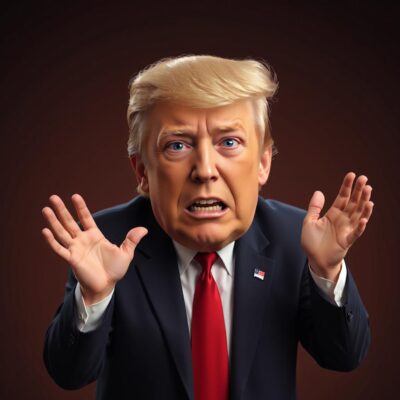
In the labyrinthine world of Washington, where whispers of scandal often swirl but seldom settle into clarity, a recent tidbit has thrown yet another curveball into the saga of Jeffrey Epstein’s shadowy connections. According to sources, Attorney General Pam Bondi briefed President Donald Trump in May regarding the Justice Department’s review of Epstein-related documents, revealing that Trump’s name appeared in the files. While the White House swiftly dismissed this as nothing more than a “routine briefing,” the event has stirred a deeper conversation about the boundaries of power, the handling of sensitive information, and the politics of denial.
First and foremost, it’s important to understand that presence in files does not automatically imply wrongdoing. The documents, as reported, included names of high-profile figures, but also contained unsubstantiated claims that investigators dismissed as lacking credibility, including those referencing Trump. Yet, the mere mention of his name—especially in the context of the Epstein scandal—fuels both curiosity and controversy. Trump’s longstanding association with Epstein, dating back to the 1990s, has been documented but never fully explored in public. While the White House insists that Trump was not involved in any criminal activity—highlighting his past action of removing Epstein from his club—many remain skeptical in an era where the lines between social circles and illicit activity are often blurred.
Crucially, President Trump has repeatedly cast Epstein as a “creep,” emphasizing that he distanced himself from Epstein’s more notorious behavior. His administration, meanwhile, continues to dismiss the relevance of the Epstein files, framing the controversy as a distraction crafted by Democrats and “fake news.” Yet, the push from Congress to unseal more documents suggests a different story: transparency remains a vital demand from the public, especially given the staggering nature of Epstein’s crimes and the possible involvement of other powerful figures.
“Trump’s denial that he was told he was specifically mentioned in the files contrasts sharply with reports that Bondi briefed him on these details. This inconsistency underscores a broader pattern: when it comes to protecting the powerful, information is often leaked, redacted, or selectively revealed to serve political interests.”
The recent revelations also shine a light on how political narratives are crafted and defended. Trump’s denial that he was told he was specifically mentioned in the files contrasts sharply with reports that Bondi briefed him on these details. This inconsistency underscores a broader pattern: when it comes to protecting the powerful, information is often leaked, redacted, or selectively revealed to serve political interests. And at the center of it all is a society hungry for truth, yet often met with layers of obfuscation.
Moreover, the scandal touches on fundamental issues of privacy, accountability, and the culture of impunity among the elite. The Epstein case has exposed a troubling network of influence, where allegations of abuse and exploitation intersect with high levels of privilege and secrecy. The fact that documents may implicate or at least mention multiple figures—while still lacking concrete evidence—raises accountability questions that transcend partisan lines.
As lawmakers call for the full release of these files, and as new reports like the Wall Street Journal’s letter-style revelation complicate the narrative, one thing is clear: the importance of transparency in a democracy cannot be overstated. Whether or not Trump’s name appears in the documents, the overarching issue remains: no one should be above scrutiny, especially when it involves the safety and dignity of victims who endured unimaginable horrors.
This unfolding story is a potent reminder that the fight against corruption and abuse isn’t confined to headlines or grand jury proceedings—it’s rooted in the demand for honesty, accountability, and justice. As citizens, our role is to stay vigilant, question thoroughly, and demand that the truth, no matter how uncomfortable, be brought into the light.
In an era rife with misinformation and political spin, the real power lies in our collective insistence that justice isn’t obstructed by leaks, redactions, or partisan gains. The Epstein files, and the questions they pose, are part of that essential quest for transparency. And it’s a quest we must all support—because the integrity of democracy depends on it
Share this:

Discover more from The Progressive Lens
Subscribe to get the latest posts sent to your email.




4 thoughts on “Bondi Told Trump in May He Was in Epstein Files”
Comments are closed.